


Wastewater from water treatment plants—how can it be used as a resource?
For this fall’s Innovation Workshop, Kretslopp och vatten in Gothenburg is seeking solutions for managing coagulant chemicals in water production. They are primarily looking for effective solutions to manage aluminum-containing water and lime sludge from water treatment plants in order to reduce the use of virgin materials, lower costs, and create value from residual streams. Do you have an idea that could help solve the problem? Apply for this fall’s Innovation Workshop!
Apply here
Turns problems into concrete collaborations
The platform aims to bridge the gap between stakeholders, innovative companies, and established industries, government agencies, and academic institutions in order to accelerate the development and implementation of new water solutions.
The Innovation Workshop is a process designed to make it easier for stakeholders to connect with one another so they can work together to address the problems identified in line with the program’s mission statement. This is achieved through workshops, pitches, and meetings between stakeholders and innovators, with the goal of identifying potential projects for further development. By promoting collaboration and innovation across different system perspectives, the Innovation Workshop aims to accelerate the transition to a more sustainable water system.
For Sustainable Water Solutions
The Innovation Workshop shall:
- Identify, test, and demonstrate new technologies, business models, and system solutions based on current research, innovations, and identified needs.
- Support the development of new technologies and business models that contribute to sustainable water management.
- Facilitate matching between stakeholders and innovation companies through structured matching processes.
- Support innovation and business development among Swedish companies in international markets.
Kretslopp och vatten seeks solutions for residual flows
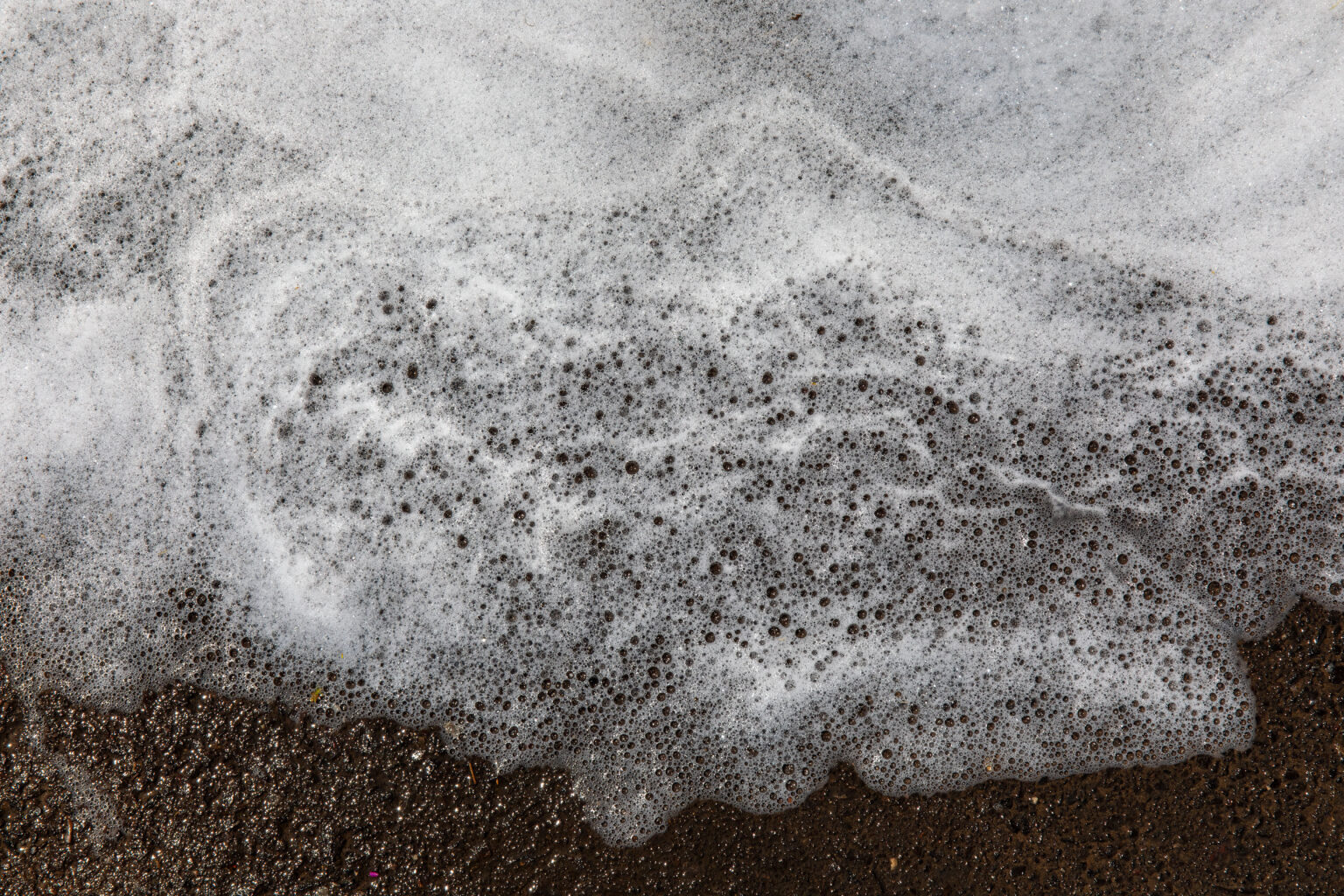
Surface water treatment plants account for about half of Sweden’s drinking water supply. To remove contaminants from the water, the vast majority of surface water treatment plants use coagulants consisting of polyvalent aluminum or iron. The addition of lime is also common to adjust the water’s pH and protect the drinking water system from corrosion.
The production of coagulants and lime has climate and environmental impacts. For the Gothenburg water treatment plant, climate calculation tools for water and wastewater facilities show that the production of aluminum sulfate results in a climate impact of 294 CO2e/metric ton. The production of quicklime results in an impact of 1,150 CO2e/metric ton.
Kretslopp och vatten aims to increase circularity in water production and is seeking sustainable solutions to manage the waste streams that are currently sent partly to municipal wastewater treatment plants and partly treated as waste. Solving this problem requires new methods and technologies for managing the various byproducts.
Apply here!
On September 10, you will have the opportunity to present your solution to Kretslopp och vatten during a virtual meeting.
ApplyThe Innovation Workshop 2026 – Step by Step
Would you like to learn more about the solutions?
The Innovation Workshop is open to other stakeholders who want to learn more—an opportunity to find inspiration, stay informed about industry trends, and discover new paths forward for your organization.
Contacts
Earlier in the innovation workshop
Despite extensive upstream measures, such as replacing firefighting foam and relining pipes, the problem persists due to diffuse pollution from the ground and buildings, as well as complex, mixed water flows.
There is an urgent need for technologies capable of removing PFAS at the point of connection to the municipal water system, where water flows are high and concentrations vary (typically 200–500 ng/L).
Addressing this challenge is critical to protecting municipal water treatment and the environment. Reducing PFAS at the source minimizes the risk of environmental toxins being further spread via sewage sludge, which is essential for maintaining REVAQ certification and enabling the sustainable return of nutrients to agricultural land.
Nitrous oxide emissions from wastewater treatment plants account for a large proportion of greenhouse gas emissions from municipal treatment plants but are rarely measured. Continuous monitoring is needed because emissions vary significantly over time, and general estimates are unreliable. Current nitrous oxide measurement methods use floating hoods that cover only small areas, and there is no established methodology for optimal placement. By covering the basins, all the air can be collected for more reliable measurements, but costs and access for maintenance pose challenges. Innovative materials and ventilation solutions could significantly reduce costs. Covered basins could also reduce odors, aerosols, and safety risks, improve the work environment, and enable the installation of solar panels. Similar solutions used for manure pits in agriculture might inspire cost-effective designs for wastewater treatment. Read the long version.
The neutralization plant at Outokumpu is designed to treat acidic rinse water and acids using, among other things, lime milk and flocculants. Currently, it is difficult to meet the guideline value for molybdenum (10 mg/L as a monthly average) in the effluent from the neutralization process. The problem stems from the fact that molybdenum dissolves at high pH levels, while nickel can only be precipitated at high pH levels, creating a chemical conflict in the process. There are no commercially available technologies capable of removing molybdenum under these conditions without requiring extensive modifications or disrupting the existing process.
The goal is to develop a technology for removing molybdenum from the clear water after the lamella separator in a robust, reliable, and cost-effective manner.
LKAB’s iron ore production generates large volumes of process water with high nitrate levels due to runoff from explosives. Much of this water is reused, but excess water must be discharged into surrounding aquatic environments, where nitrate contributes to the exceeding of environmental quality standards.
Previous trials have shown that biological nitrogen removal using MBBR technology is technically feasible, but requires the addition of phosphorus, which risks degrading the aquatic environment. Phosphorus levels in the receiving waters are extremely low and can tolerate only marginal additions. The challenge lies in:
– Treats very large volumes of water (8–12 Mm³/year),
– Under subarctic conditions (low temperatures)
– with complex water chemistry (high ionic strength, sludge, high calcium levels),
– while the treated water must have extremely low levels of both nitrate and phosphorus.
The goal is to identify or further develop technologies for effective nitrate removal with minimal phosphorus addition—
—either through new MBBR solutions or other innovative combinations of technologies. The technology must
be robust, resource-efficient, and capable of being integrated into a closed process water system with a high
reuse rate.