Project partners: Chalmers University of Technology, DRICKS, Kommunalförbundet Norrvatten, Norrtälje Vatten och Avfall, Nudgd, RISE – Research Institutes of Sweden AB
Grant: SEK 929,949
Project duration: 2025-10-01 to 2026-09-30
Contact person: Josefine Klingberg, Research Institutes of Sweden AB
Purpose and objectives
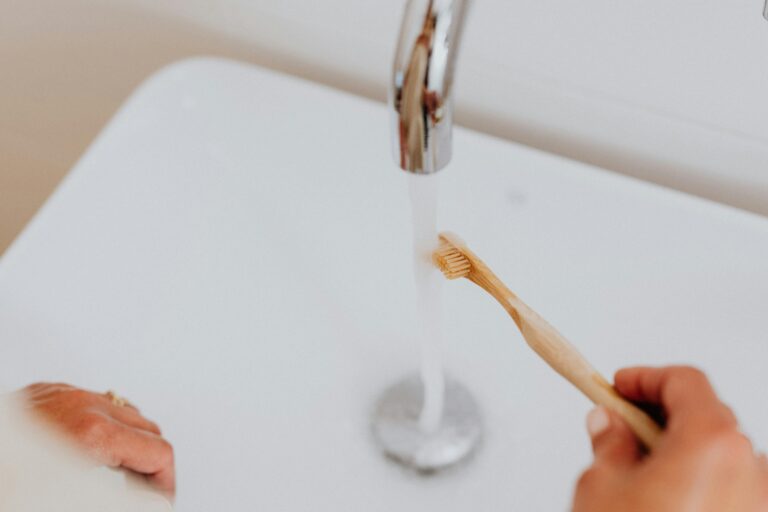
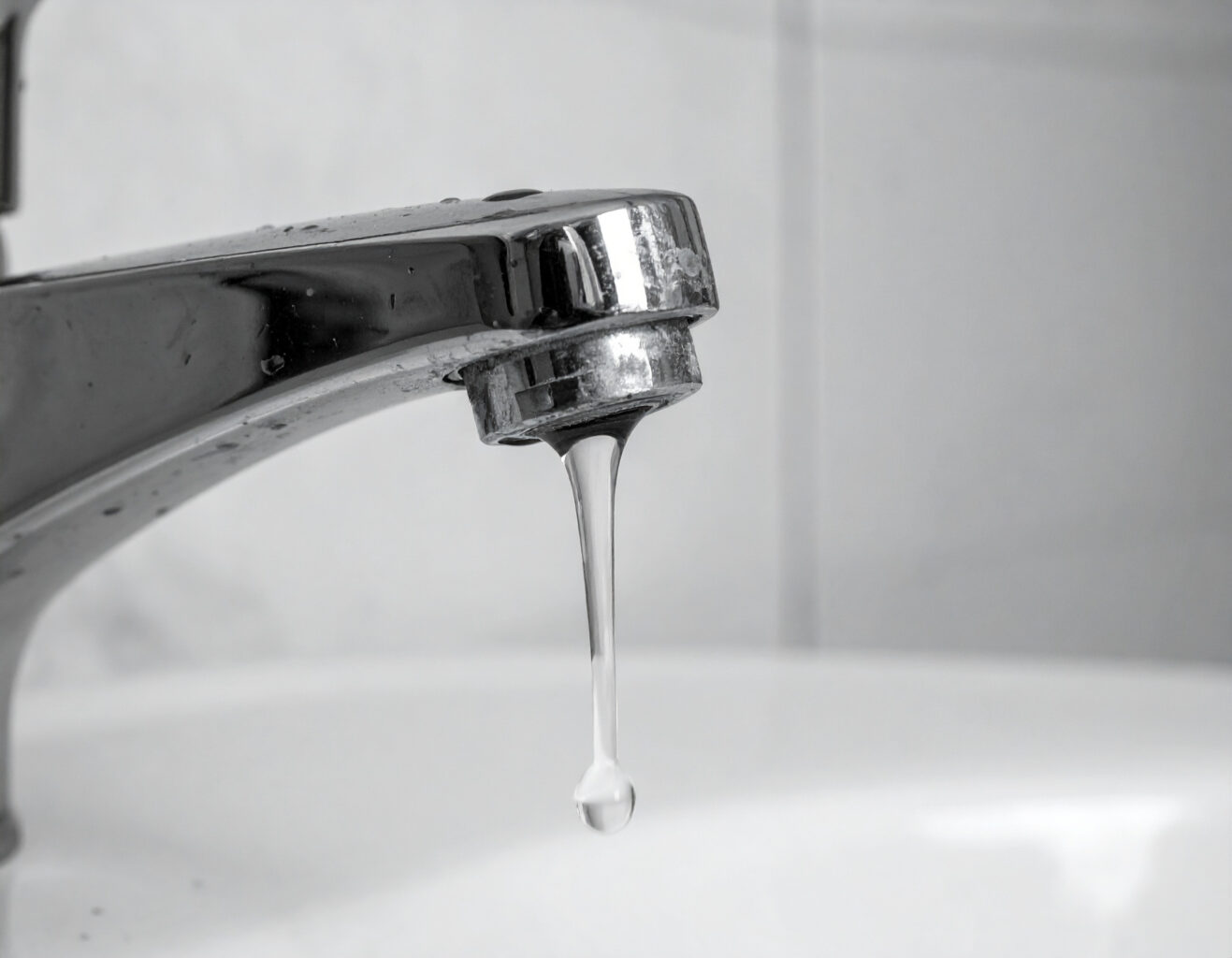
Dripwise aims to reduce household water use through the use of “nudging” – a method that influences behavior without limiting choices. The project addresses the challenge of water scarcity in Swedish municipalities and the need for more sustainable and resource-efficient water use.
The overall objective is to reduce water use, reduce resource use and thereby strengthen society’s resilience to climate change. This will also create the conditions for sustainable growth.
Expected impacts and results
The project is expected to increase knowledge about household water use and show how nudging can contribute to reduced water use – an area where behavioral influencing has so far been used to a limited extent in Sweden. By combining behavioral science with local anchoring, new approaches are developed that strengthen acceptance and commitment. The method is tested in a case study in Norrtälje municipality and compared with a reference group to evaluate effects on water use, behavior and acceptance.
In the long term, the project contributes to reduced pressure on the water supply, more efficient use of resources and extended lifetime of investments. It strengthens the competence of participating actors in behavioral influence and digital tools, as well as promotes collaboration between municipalities, water and wastewater organizations and residents. The project is in line with the Water Wise Society’s goal of wise use of water, task 2: Reduce water usage and leakage.
Planned approach and implementation
The project starts with a mapping of water use in Norrvatten’s municipalities and a target group analysis. Then locally adapted nudging interventions are developed and tested in Norrtälje, where households receive feedback via digital channels. The effects will be evaluated quantitatively and qualitatively through measurement data and surveys. The results are disseminated through networks such as Water Wise Societies and DRICKS, as well as through a seminar and final report, in close collaboration between researchers, industry, water and wastewater organizations and municipalities.
The text on this page was written by the project team. The content has not been reviewed by our editors.
Goals and tasks
- Wise use of water
- Reduce water usage and leakage